Claiming Social Security: Why Age 62 vs. 70 Is a Six-Figure Decision
Your monthly benefit grows roughly 7–8% for every year you wait. Here's how to think about the biggest timing decision in retirement.
Published May 4, 2026
How the numbers move
Claim at 62 and you lock in a permanently reduced benefit — roughly 30% below your full retirement age amount. Wait past full retirement age and delayed credits add about 8% per year until 70. The spread between claiming at 62 and 70 is roughly 75–80% more per month, for life, inflation-adjusted.
For an average earner, the lifetime difference between a well-timed and poorly-timed claim commonly reaches into six figures — which is strange company for a decision most people make in an afternoon.
When claiming early makes sense
Waiting isn't automatically right. Claiming earlier can be reasonable when health or family longevity argues for it, when you need the income to avoid draining investments in a down market, or when a lower-earning spouse claims early while the higher earner delays — a common couples' strategy that hedges both directions.
The break-even age for delaying typically lands in the late 70s to early 80s: live beyond it and waiting wins; don't and claiming early did. Since you can't know, think of delaying as buying inflation-protected longevity insurance rather than making a bet.
The couples' multiplier
For married couples, the higher earner's benefit becomes the survivor benefit — whichever spouse lives longer keeps the larger check. That makes delaying the higher earner's claim one of the most powerful moves in retirement planning, protecting the surviving spouse for what may be decades.
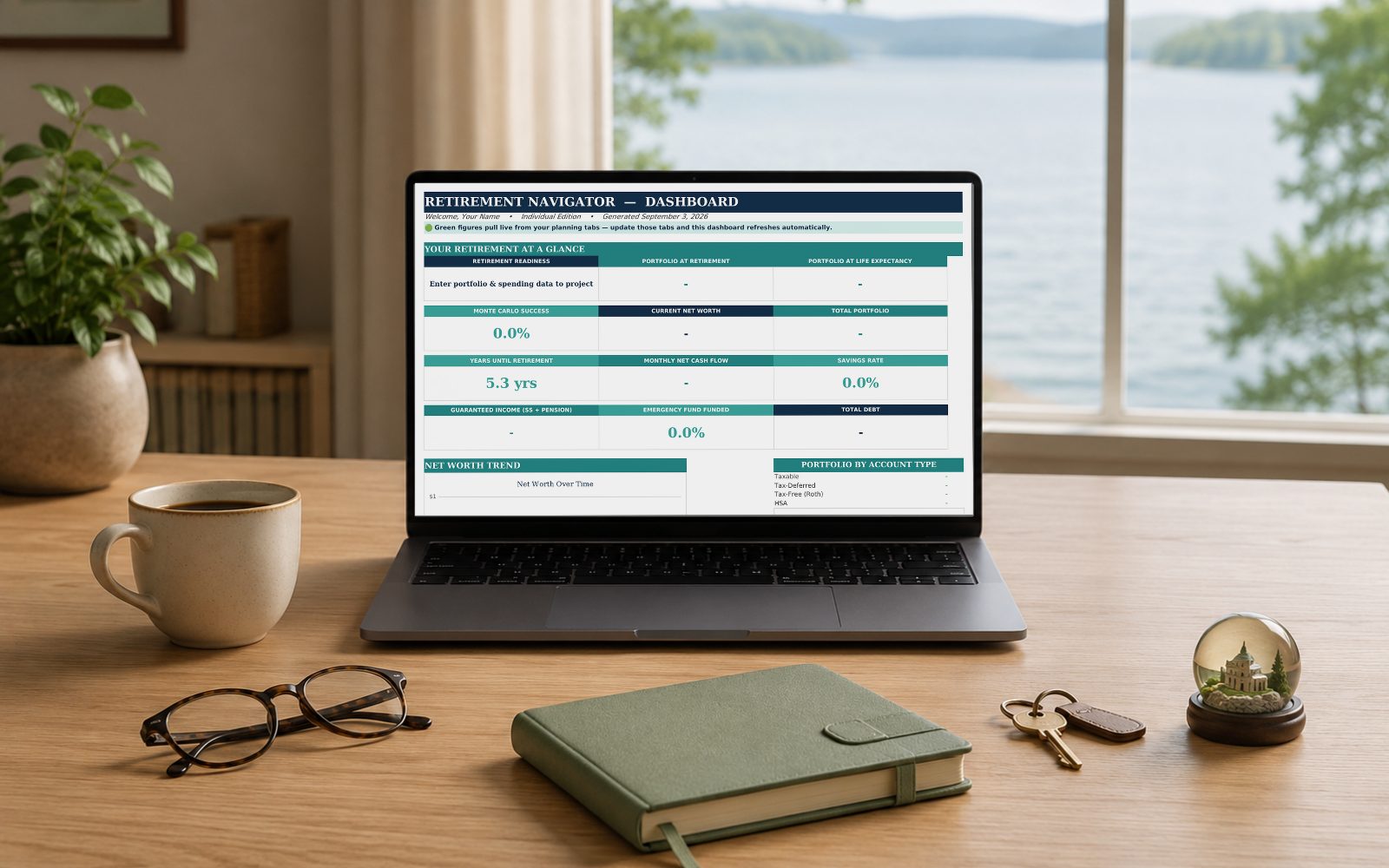
Coordinating two benefits, two ages, and survivor rules is exactly the kind of math a worksheet does better than a hunch.
Key takeaways
- Benefits grow ~7–8% per year of waiting, 62 → 70
- Delaying = inflation-protected longevity insurance
- For couples, the higher earner's delay protects the survivor
- Run your real numbers before defaulting to 'claim ASAP'